


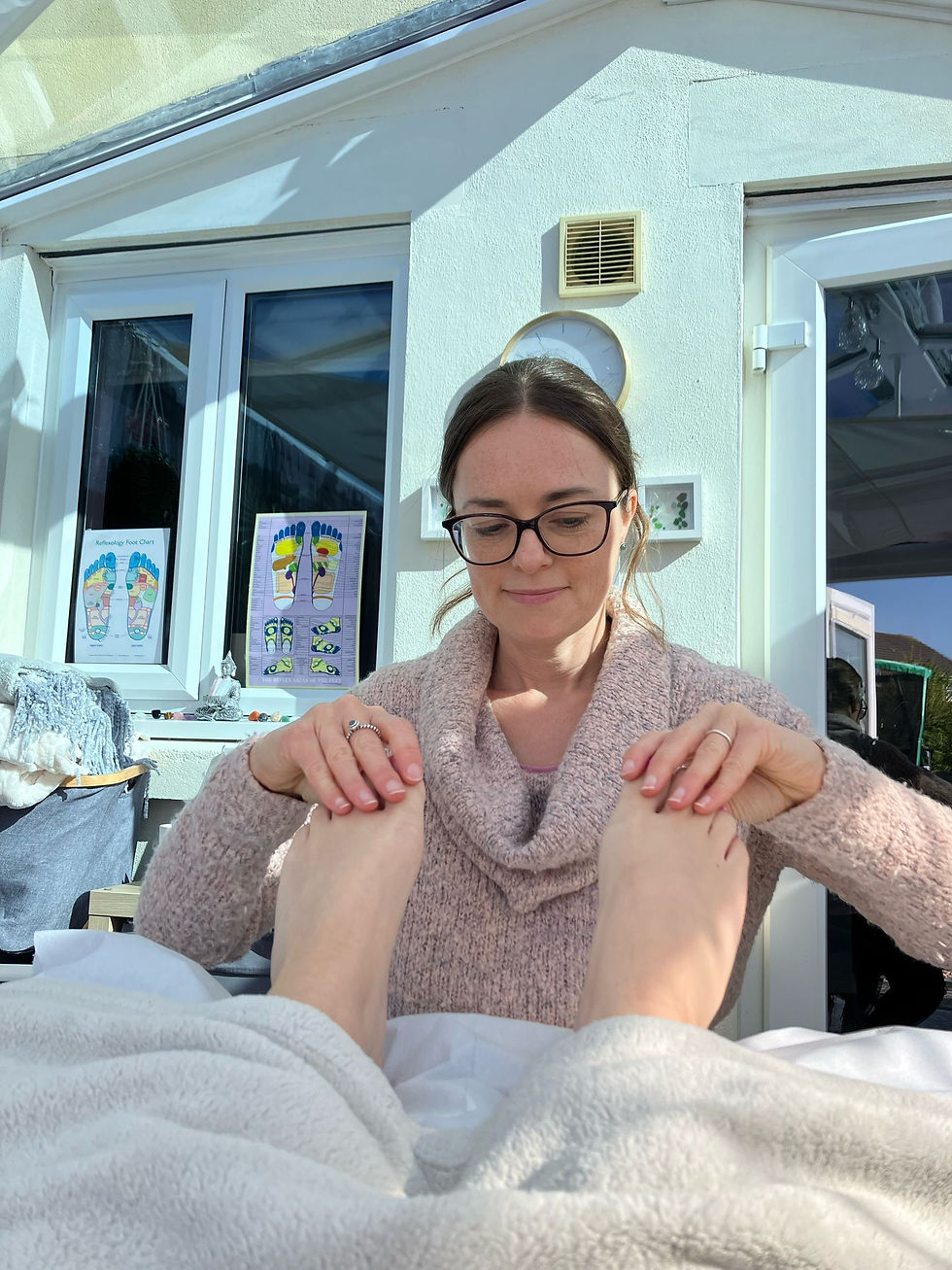

Reflexology Techniques to Relieve Headaches and Migraines Naturally

Headaches and migraines affect millions of people worldwide, often disrupting daily life and productivity. While medications can provide relief, many seek natural methods to ease their pain without side effects. Reflexology, a therapeutic practice involving pressure on specific points of the feet, hands, or ears, offers a promising approach to support headache and migraine relief.
How Reflexology Supports Headache and Migraine Relief:
Reflexology is based on the idea that certain points on the feet, hands, and ears correspond to different organs and systems in the body. Applying pressure to these points can stimulate nerve pathways, improve circulation, and promote relaxation. For headaches and migraines, reflexology targets areas linked to the head, neck, and nervous system.
Research suggests that reflexology may help reduce headache intensity and frequency by:
Reducing muscle tension in the neck and shoulders, common headache triggers
Improving blood flow to the brain, which can ease migraine symptoms
Balancing the nervous system to lower stress and anxiety, often linked to headaches
Encouraging the release of endorphins, the body’s natural painkillers
While reflexology is not a cure, many people find it a useful complementary therapy alongside medical treatment.

Key Reflexology Points for Headaches and Migraines
Focusing on specific reflex points can help target headache and migraine relief. Here are the main areas to work on:
1. Head and Brain Point
Located on the tips of all toes, this area corresponds to the head and brain. Applying gentle pressure here can help soothe headache pain.
2. Neck and Shoulder Point
Found at the base of the big toe, this point relates to the neck. Massaging below the little toe is the shoulders. Massaging this area can relieve tension that often causes headaches.
3. Solar Plexus Point
Located in the center of the foot’s arch, this point helps reduce stress and promote relaxation, which can prevent tension headaches.
4. Sinus Points
These are on the pads of the toes, especially the second and third toes. Stimulating these points may ease sinus pressure headaches.
5. Pituitary Gland Point
Situated in the center of the big toe, this point influences hormone regulation and can help balance migraine triggers.
Tips to Enhance Reflexology Benefits
To get the most from reflexology for headaches and migraines, consider these tips:
Be consistent. Attend regular sessions with your Reflexologist. They can use specialised Reflexology techniques for deeper relief. Show you specific areas to work, even 5-10 minutes daily, can improve results. Provide guidance on integrating Reflexology with other therapies.
Stay hydrated. Drinking water after reflexology helps flush out toxins.
Combine with relaxation. Deep breathing or meditation enhances the calming effects.
Avoid reflexology during acute migraine attacks if pressure worsens symptoms.
Consult a healthcare provider if headaches persist or worsen or you experience other symptoms.
Other Natural Ways to Support Headache Relief
Reflexology works best as part of a broader approach to headache management. Consider combining it with:
Regular exercise to reduce muscle tension
Unclenching your jaw, relaxing your neck and shoulders
Adequate sleep to prevent fatigue-related headaches
Balanced diet avoiding common migraine triggers like caffeine and processed foods
Stress management through yoga, mindfulness, or counseling
Hydration to prevent dehydration headaches
Using multiple strategies can reduce headache frequency and improve quality of life.
Lynsey x


Comments