



Embracing Reflexology for Children’s Mental Health

Updated: Sep 4

Children’s mental health is a growing concern worldwide. With increasing pressures from school, social life, and family dynamics, many children face stress, anxiety, and emotional challenges. Children’s Mental Health Week is a dedicated time to raise awareness, promote understanding, and encourage support for young minds. One gentle, non-invasive approach gaining attention is Reflexology. This therapy offers a way to support children’s emotional well-being through touch and relaxation.
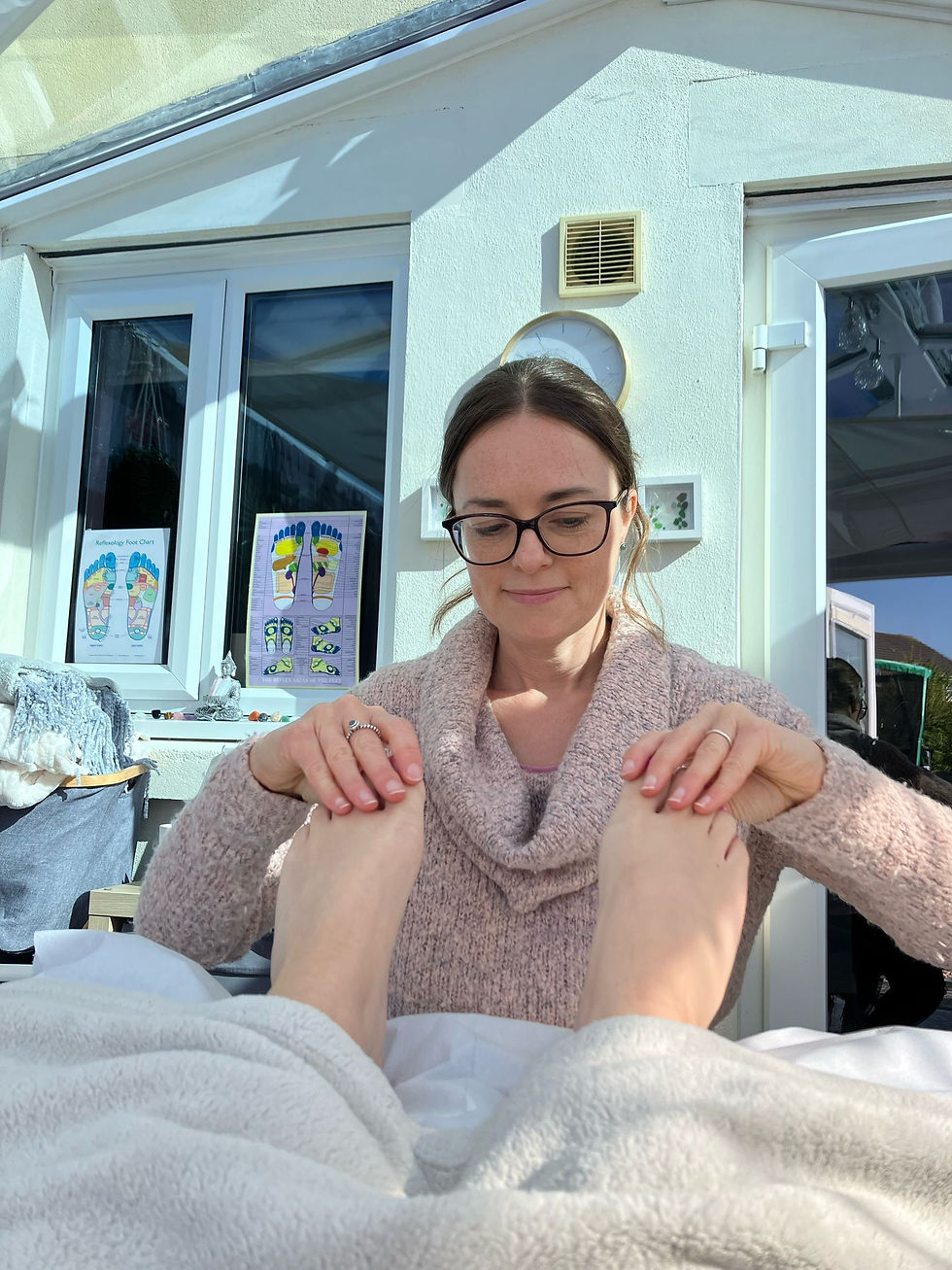
Reflexology involves applying pressure to specific points on the feet, hands, or ears. These points correspond to different organs and systems in the body. By stimulating these areas, Reflexology aims to promote balance, reduce stress, and improve overall health. For children, this can mean a calming experience that helps them manage emotions and feel more grounded. Many children and teens enjoy the quiet, soothing nature of Reflexology, particularly if they find it hard to express their feelings verbally.
Understanding Children’s Mental Health Challenges
Children today face many challenges that affect their mental health. Academic demands, social pressures, and changes at home can cause anxiety, mood swings, and difficulty concentrating. According to the World Health Organization, one in seven children globally experiences a mental disorder. Early support is crucial to help children develop resilience and healthy coping skills.
Common mental health issues in children include:
Anxiety and stress
Depression and low mood
Attention difficulties
Sleep problems
Behavioral challenges
Parents, teachers, and caregivers often look for safe, effective ways to support children’s mental health beyond medication or therapy sessions. Reflexology offers a complementary option that can be used alongside other treatments.
What Is Reflexology and How Does It Work?
Reflexology is a holistic therapy based on the idea that certain points on the feet, hands, and ears connect to different parts of the body. By applying gentle pressure to these points, reflexologists aim to:
Stimulate the nervous system
Improve circulation
Encourage relaxation
Support the body’s natural healing processes
For children, Reflexology sessions are usually short and gentle. For teens, the session can be slightly longer with targeted and skilled reflex points worked, offering a bespoke session to meet individual needs. The experience is often described as deeply relaxing, soothing, and comforting, helping children feel safe and calm.
Benefits of Reflexology for Children’s Mental Health
Research on reflexology’s effects on children is still emerging, but many parents and practitioners report positive outcomes. Reflexology may help children by:
Reducing anxiety and stress: The calming touch can lower cortisol levels, the hormone linked to stress.
Improving sleep: Relaxation from Reflexology can help children fall asleep faster and enjoy deeper rest.
Enhancing mood: Reflexology may boost the release of endorphins, natural mood elevators.
Supporting focus and concentration: By calming the nervous system, Reflexology can help children feel more centered.
Easing physical symptoms: Reflexology can relieve headaches, stomachaches, and muscle tension often linked to emotional distress.
Supporting Children’s Mental Health Beyond Reflexology
While Reflexology can be a helpful tool, it works best as part of a broader approach to children’s mental health. Other important strategies include:
Open communication: Encourage children to share their feelings without judgment.
Routine and structure: Consistent daily schedules provide a sense of security.
Physical activity: Exercise helps reduce stress and improve mood.
Healthy sleep habits: Good sleep supports emotional regulation.
Professional support: Therapists, counselors, and pediatricians can offer guidance when needed.
Combining Reflexology with these approaches can create a supportive environment where children feel understood and cared for. Many parents have shared how Reflexology helped their children during stressful times. For example, one child who had anxiety about starting school eased after regular Reflexology sessions. The child became more relaxed and confident, and his sleep improved. Children and teens often respond quickly to Reflexology because of their natural openness to touch and sensory experiences. They exhibit calmer behavior and better emotional balance after sessions. Reflexology is generally safe for children when performed correctly. However, keep these points in mind:
Always consult a healthcare provider if your child has a serious medical condition.
Avoid Reflexology on broken skin, infections, or injuries.
Use gentle pressure appropriate for the child’s age and sensitivity.
Reflexology should not replace medical treatment but can complement it.
Creating a Safe Space for Children
Creating a safe and nurturing environment is essential for children’s mental health. Here are some tips to foster that space:
Encourage expression: Provide various outlets for children to express their feelings, such as art, music, or journaling.
Practice mindfulness: Introduce simple mindfulness exercises to help children stay present and calm.
Limit screen time: Encourage outdoor play and face-to-face interactions to promote social skills and emotional health.
Be a role model: Show healthy coping strategies and emotional regulation in your own life.
The Role of Community in Supporting Children’s Mental Health
Community plays a vital role in supporting children’s mental health. Engaging with local resources can make a significant difference. Here are some ways to get involved:
Participate in local events: Attend workshops or seminars focused on children’s mental health and wellness.
Connect with schools: Collaborate with educators to create supportive programs for children.
Join support groups: Share experiences and learn from others in similar situations.
Conclusion
Supporting children’s mental health requires attention, care, and creativity. Reflexology offers a gentle way to nurture young minds, helping children feel calmer and more balanced. During Children’s Mental Health Week, exploring this therapy can open new paths to emotional well-being for your child and make a meaningful difference.
If you're interested in learning more about how Reflexology can benefit your child, please feel free to reach out! Together, we can create a supportive and nurturing environment for our little ones.
Lynsey x


Comments